Orders, stock and shipments in one view. Fewer surprises. Same team.
Supply Chain Management links demand planning, supplier orders, inventory and logistics on one platform. Signals reach suppliers sooner, stock moves to where it is needed, and delays surface before customers feel them.















From forecast to delivery in one workflow.
Planners should not have to chase updates through inboxes and spreadsheets. OpsMonsters connects demand plans, supplier orders and shipments, so every handoff carries the whole picture.
Demand plans reach suppliers early.
Orders go out when stock runs low.
Deliveries arrive checked, not guessed.
Shipments stay visible end to end.
Planning that keeps up with the week.
OpsMonsters refreshes forecasts as orders land, sends each exception to the planner who owns it and keeps stock positions current at every site, so planning meetings start from the facts.
Forecasts that learn from every season.¹
Catch a disruption before it reaches the shelf.
Connected to the systems your sites already run.
Warehouse, transport and supplier systems feed one shared plan, with common item records, multi-site support and continuous sync that keeps stock figures current.
Suppliers that scale with the business and keep the plan intact.
Each supplier and site you add should strengthen the plan, not complicate it. OpsMonsters gives every supplier shared lead times, quality checks and delivery history from the day they are onboarded.
New supplier today. Ready to order this week.
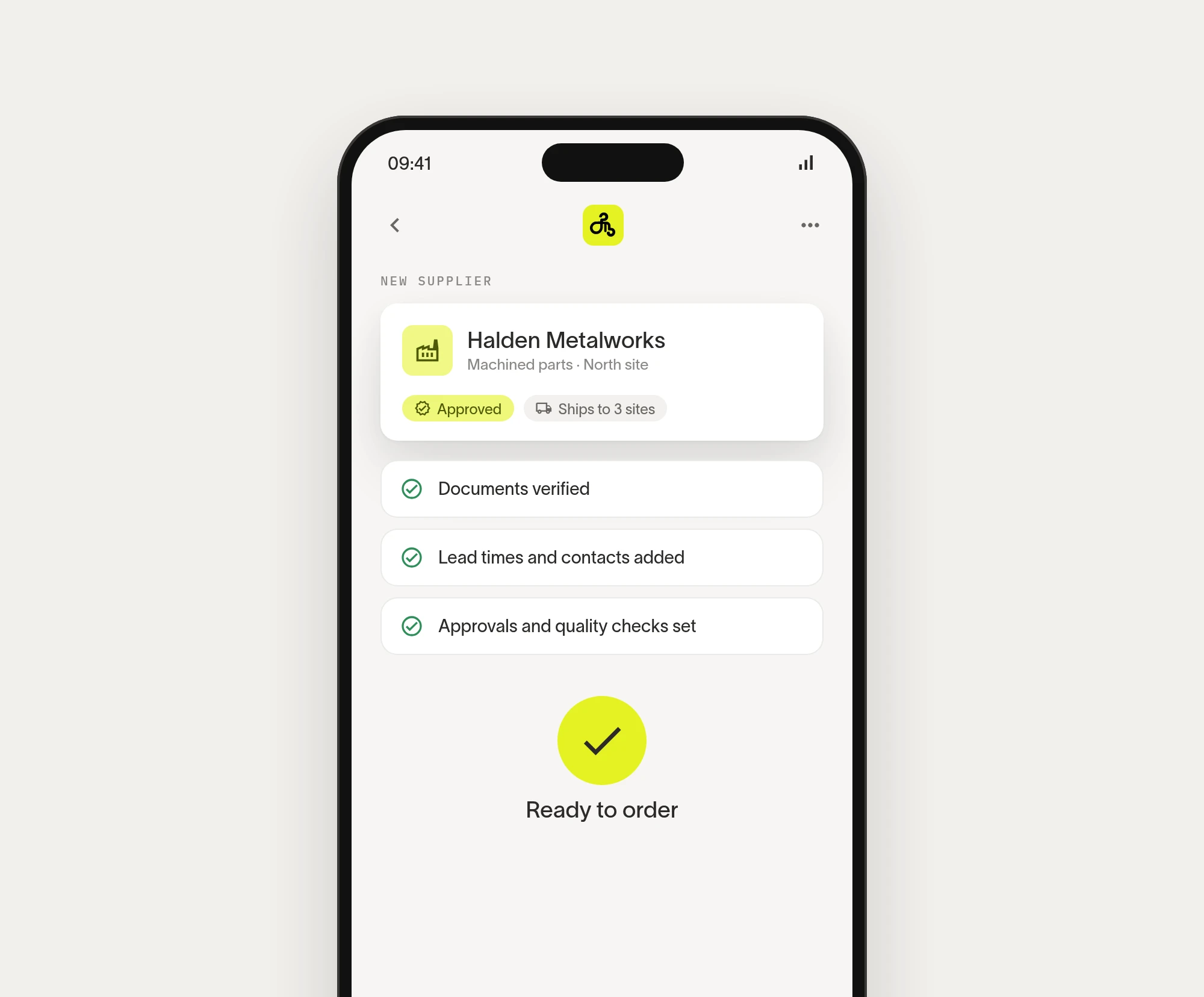
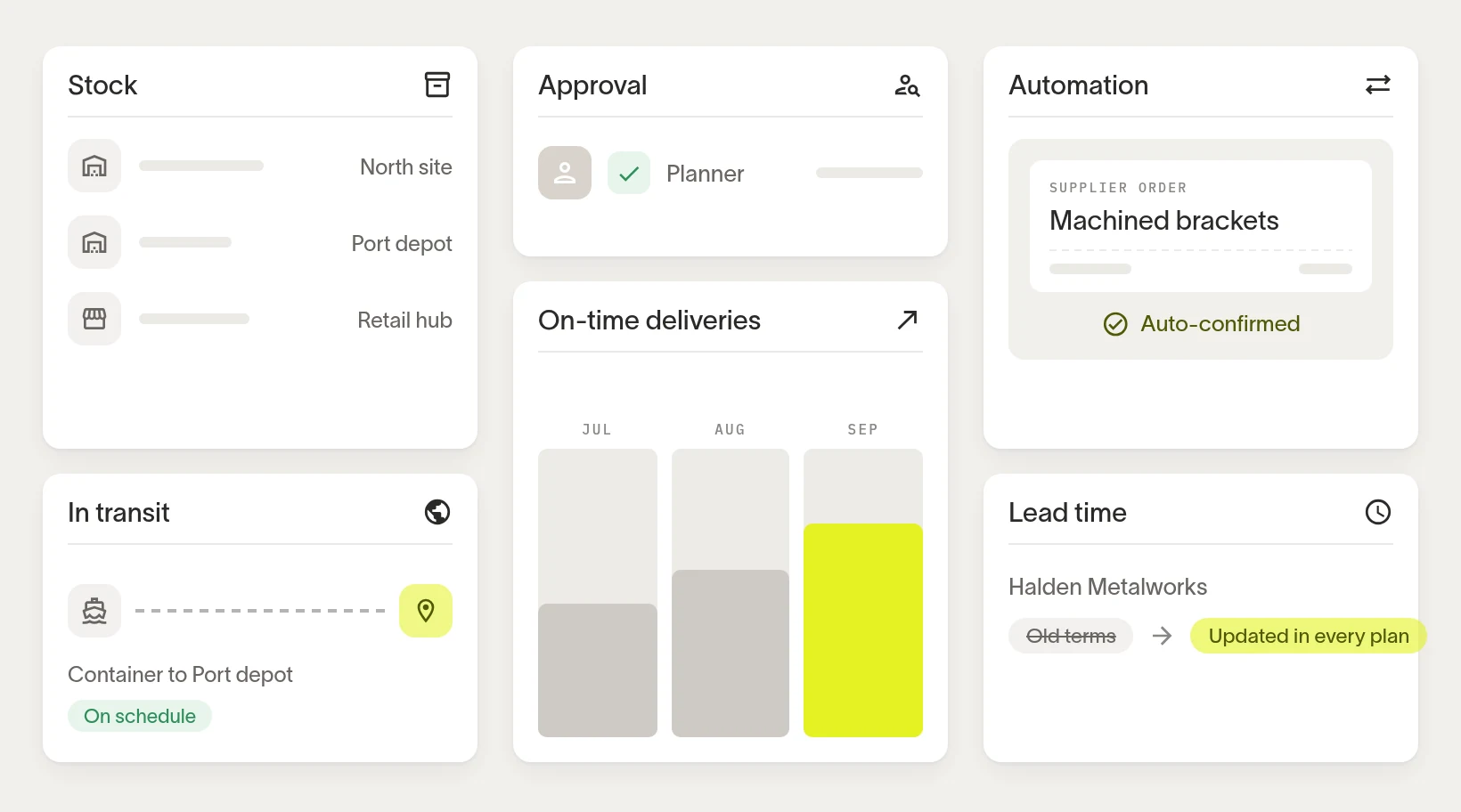
One change updates planning, stock and orders.
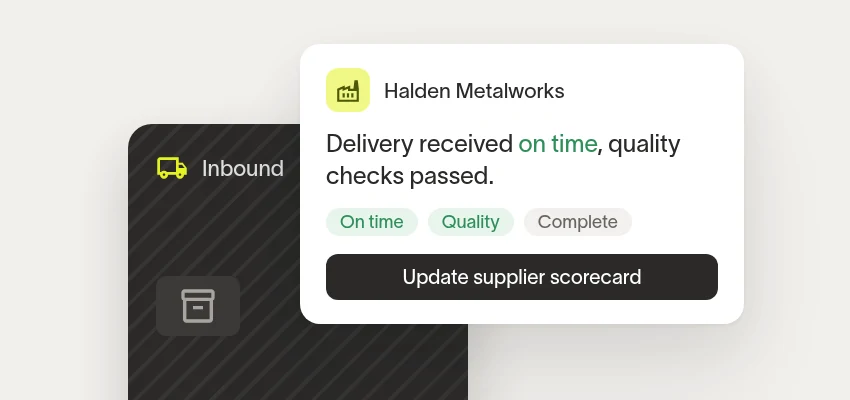
A scorecard for every supplier and every site.
“Our planners used to spend Monday mornings reconciling supplier emails. Now every order and shipment sits in one view, and we deal with delays before customers notice.”
Up and running in three steps.
See your whole supply chain in one place.
FAQs
As products, sites and suppliers multiply, plans end up spread across spreadsheets, inboxes and separate systems, and nobody sees the whole picture.
Supply chain software keeps demand, inventory, orders and shipments in one shared view, so teams catch problems earlier and plan from the same facts.
Reorder points and forecasts decide when stock needs topping up. OpsMonsters drafts the supplier order, routes it for approval where your rules ask for one and tracks confirmation and delivery against the plan. See also Strategic Sourcing.
Yes. Supply Chain Management tracks stock by site and location, reserves it for open orders, records receipts and transfers, and points out items that are running low or sitting idle. Inventory stays tied to the forecasts and orders that move it. See also Digital Twin.
OpsMonsters keeps one record for each supplier, with lead times, contacts, quality results and delivery history. Planners see which suppliers deliver reliably for each item, and orders follow the rules set for each one.
See also Strategic Sourcing.
The planning agent updates forecasts as orders arrive and learns from the changes your planners make. It flags unusual demand for review and explains its suggestions, so planners spend their time on decisions rather than on rebuilding spreadsheets. See also Agent Orchestration.
Supply Chain Management connects to warehouse, transport and supplier systems as well as the rest of OpsMonsters. It handles multiple sites, currencies, units of measure and custom item attributes, so you can grow without manual workarounds.
Yes. OpsMonsters supports multi-site planning, so each site or region keeps its own stock rules, suppliers and approvals while leaders see one view across the whole network.
Supply Chain Management shares data with Strategic Sourcing for choosing suppliers, Digital Twin for testing changes before they happen and Workforce Planning for the people each site needs, so plans, orders and teams stay in step.
Ask our team for a walkthrough of your network.